










Why confidence, visibility and influence are becoming critical skills for every woman data professional.
By Erica Farmer, AI and Future Skills Speaker, Trainer and Author
If you believed the headlines, you’d think the future of data had already been decided. AI is analysing faster, predicting more accurately and automating tasks that once took hours. The conversation has become almost entirely about technology. And because of this we’re undoubtedly asking the wrong question.
Over the last couple of years, I’ve spoken to thousands of professionals about AI, future skills and the changing world of work. One theme comes up time and time again, particularly from women working in technical and analytical roles. They don’t question whether they’re capable. They question whether they’re credible enough to be heard, and that should concern all of us.
The Value People Bring
The real competitive edge for organisations won’t be who has access to AI, as we all do now. It will be who has the confidence to challenge it, communicate its outputs and influence decisions with it. This is how we will innovative and scale.
For example, a dashboard doesn’t change a business, not does a report improve performance. Insight only becomes valuable when someone has the confidence to stand behind it, explain what it means and persuade others to act.
Yet organisations still tend to invest almost exclusively in technical capability. We teach people how to collect data, cleanse it, analyse it and visualise it. More recently, we’ve rightly started teaching AI literacy too. But there is a danger that we continue to view data careers through an almost entirely technical lens, overlooking the very skills that determine whether good analysis leads to better decisions.
I’ve lost count of the number of women I’ve spoken to who have described presenting an idea that received little attention, only to hear the same point repeated later by someone else and suddenly become the preferred solution. I remember being there myself numerous times in my corporate career. Others have spoken about feeling the need to overprepare for meetings because they expect their evidence to be questioned more rigorously than their colleagues. You might be reading this and thinking, yep, been there, or perhaps, wow I’m glad that’s never happened to me. But believe me, it’s more common than you think.
These aren’t isolated stories. They’re reflected in research around the Authority Gap, attribution bias and the ‘prove it again’ phenomenon. Whilst every workplace is different, the patterns are remarkably consistent.
The Future of Data
As AI takes care of more of the technical heavy lifting, our competitive advantage shifts. Producing analysis is becoming easier, and therefore communicating it, influencing with it and making sound judgements about it are becoming significantly more valuable.
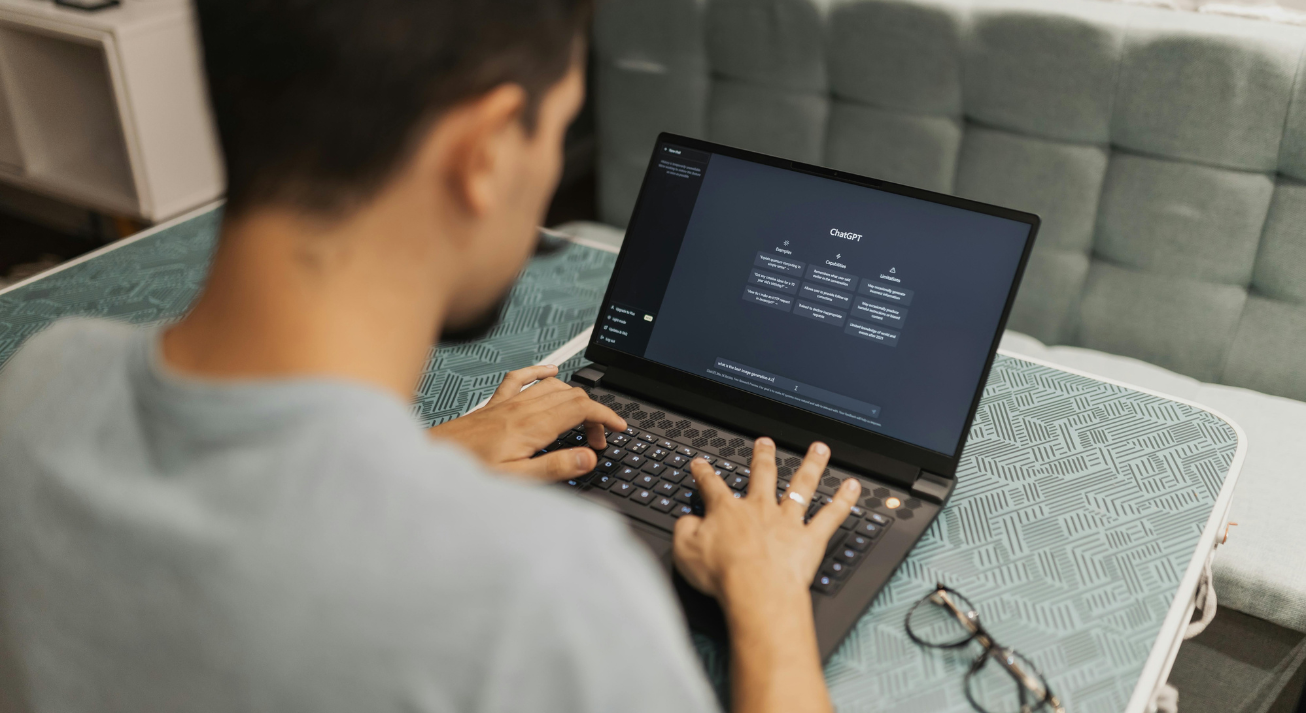
Ironically, the more capable AI becomes, the more important distinctly human skills become. That’s why I see AI not as a replacement for expertise but as a thinking partner, which I talk and write extensively about. I use it every day to challenge my own assumptions, test ideas, explore alternative viewpoints and improve my thinking before I walk into a meeting. It doesn’t make my decisions for me, and I wouldn’t want it to. It simply gives me another perspective to consider before I apply my own judgement.
What this Means for Women Working with Data
Using AI to rehearse a presentation before speaking to senior leaders. Asking it to challenge your analysis before someone else does. Testing how different stakeholders might respond to a recommendation. Strengthening your confidence before you step into the room. It’s not about becoming dependent on AI. It’s about using it to become more prepared. And for me, that’s where the real opportunity lies.
The organisations that will get the greatest value from AI won’t necessarily be those with the biggest technology budgets. They’ll be the ones that develop people who are confident enough to question assumptions, communicate evidence with conviction and influence decisions at every level. Technical capability will always matter. But so will confidence, visibility and influence. And it’s time to hear everyone who has something to add.
Notes
Research over the past two decades has consistently highlighted patterns including The Authority Gap (Sieghart), attribution bias (Heilman & Haynes) and the ‘prove it again’ phenomenon (Williams & Dempsey), all of which can make it harder for women in technical roles to have their expertise recognised, despite producing work of equal quality.